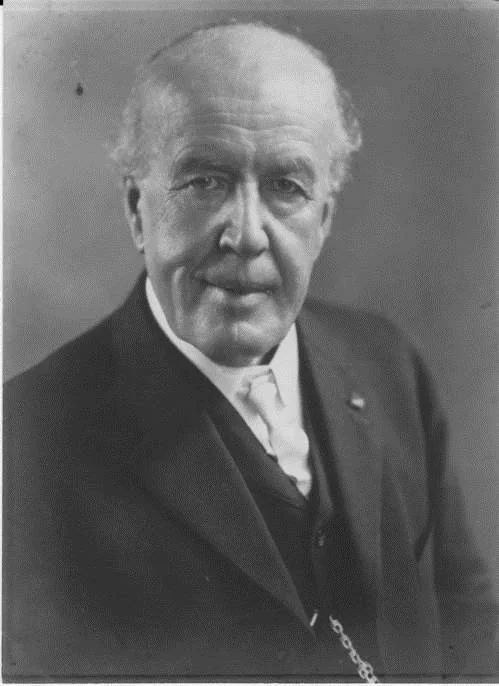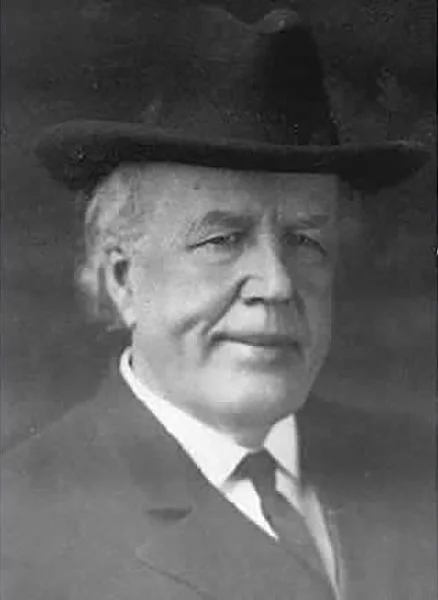
About Brother Van
“Montana’s Best-Loved Man”
Long before highways connected the small towns of northern Montana, William Wesley Van Orsdel was traveling between them on horseback, by wagon and eventually by train. Known almost universally as Brother Van, the Methodist circuit rider spent nearly five decades bringing faith, friendship and practical help to communities across Montana.
His Montana story began right here in north-central Montana.
A Preacher Comes to Fort Benton
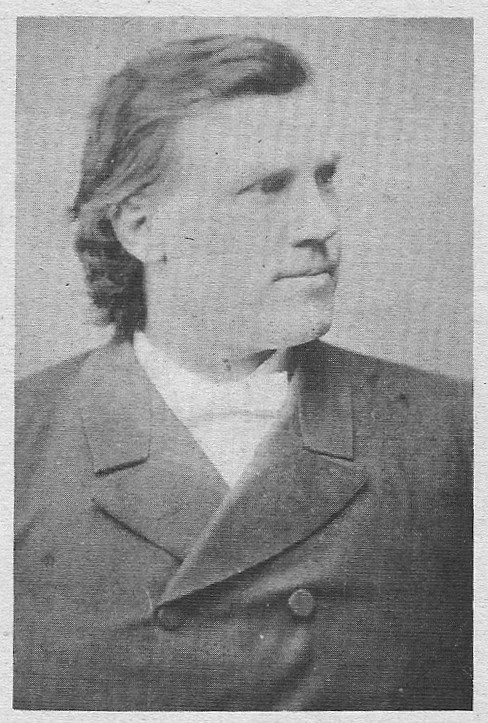
Brother Van arrived at Fort Benton by steamboat in the summer of 1872. He was just 24 years old, with little money and a desire to preach on the frontier.
Fort Benton was then a bustling—and sometimes rough—Missouri River port. Rather than wait for people to come to a church, Brother Van went to where the people were. Soon after his arrival, he preached what Methodist historical records identify as the first Methodist sermon in North Montana.
It was the beginning of a ministry that would span nearly half a century.
A Church Without Walls
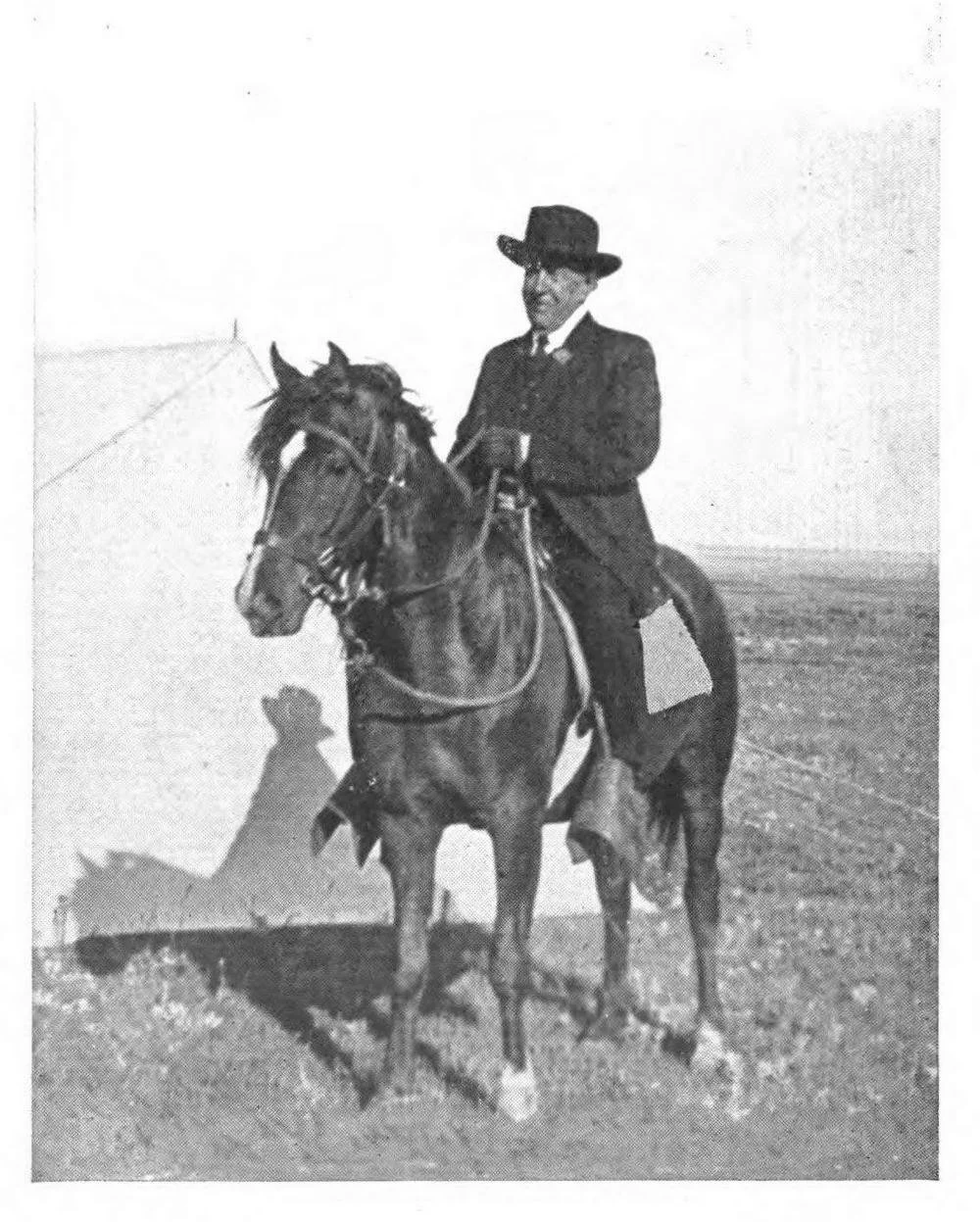
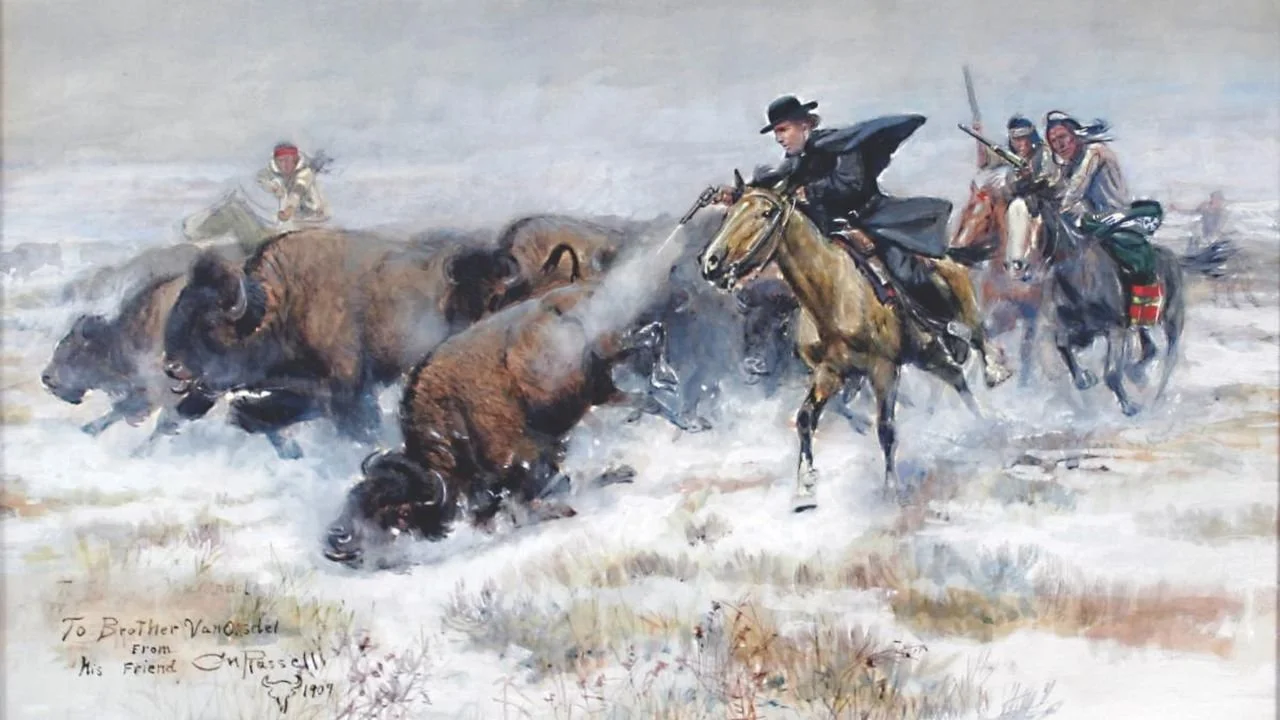
Brother Van became one of Montana's best-known circuit riders, traveling enormous distances to reach people scattered across the territory. He preached wherever people gathered—in homes and schoolhouses, ranches and frontier settlements—and became known for meeting people comfortably on their own ground.
His ministry was particularly important across northern and central Montana. In 1892, Brother Van was placed in charge of Methodist churches throughout the region. From his headquarters in Great Falls, he traveled the Hi-Line and surrounding country, helping organize congregations and supporting the small communities taking root across the prairie.
Over the course of his ministry, Brother Van helped establish churches throughout Montana, along with schools, hospitals and other institutions created to serve the people who lived here.
Why “Brother Van”?
William Wesley Van Orsdel's name may have been a mouthful, but “Brother Van” suited him.
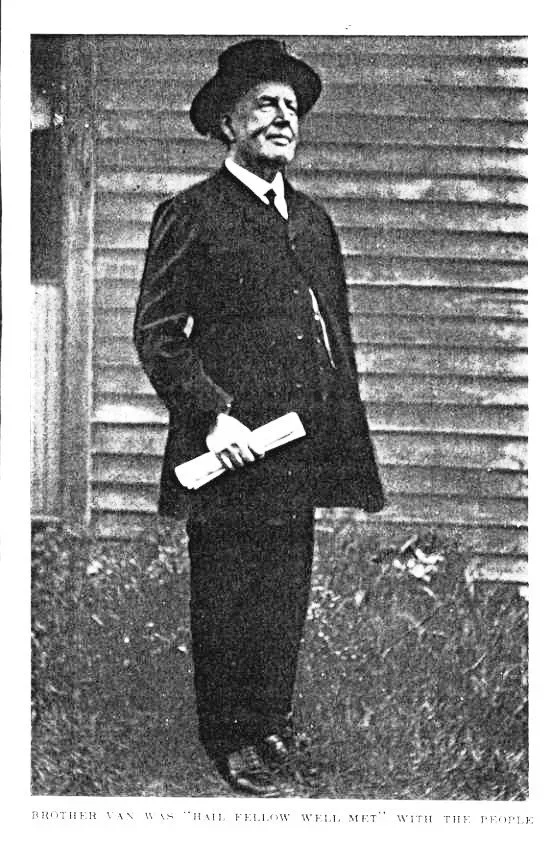
The nickname reflected the remarkably personal way he approached his ministry. He was at ease with cowboys and homesteaders, children and community leaders, the wealthy and those with very little. He developed a reputation not simply as a preacher, but as a friend.
His name became so familiar across Montana that, according to one oft-repeated story, a letter addressed simply to “Brother Van, Montana” found its way to him.
By the end of his life, he had become known as one of Montana's most beloved figures—a man remembered as much for his warmth and service as for the churches he helped build.
His Legacy Lives Here
More than 150 years after Brother Van stepped off a steamboat at Fort Benton, the landscape has changed—but in some ways, the ministry has not.
Today, Brother Van Parish brings together Methodist congregations scattered across the same broad landscape Brother Van once traveled. A pastor still puts miles on the road to worship with people in small communities across northern Montana.
The horse has been replaced by a car and the trails by highways, but the idea would have been very familiar to Brother Van:
Go where the people are. Bring them together. Serve the community. Share the faith.